REPORT: U.S.-China Next Generation Working Group: Reflections Ahead of the Upcoming 2026 Leader Summit
Multiple Authors
May 2026
The NCAFP, in collaboration with Tsinghua University’s Center for International Security and Strategy’s U.S.-China Young Leaders Working Group, brings together scholars from the United States and China to support ongoing dialogue at a time of heightened tension and limited exchange between both sides. Building on NCAFP’s long-standing Track II engagement, the program creates space for sustained exchange and relationship-building among the next generation of experts shaping the future of U.S.-China ties.
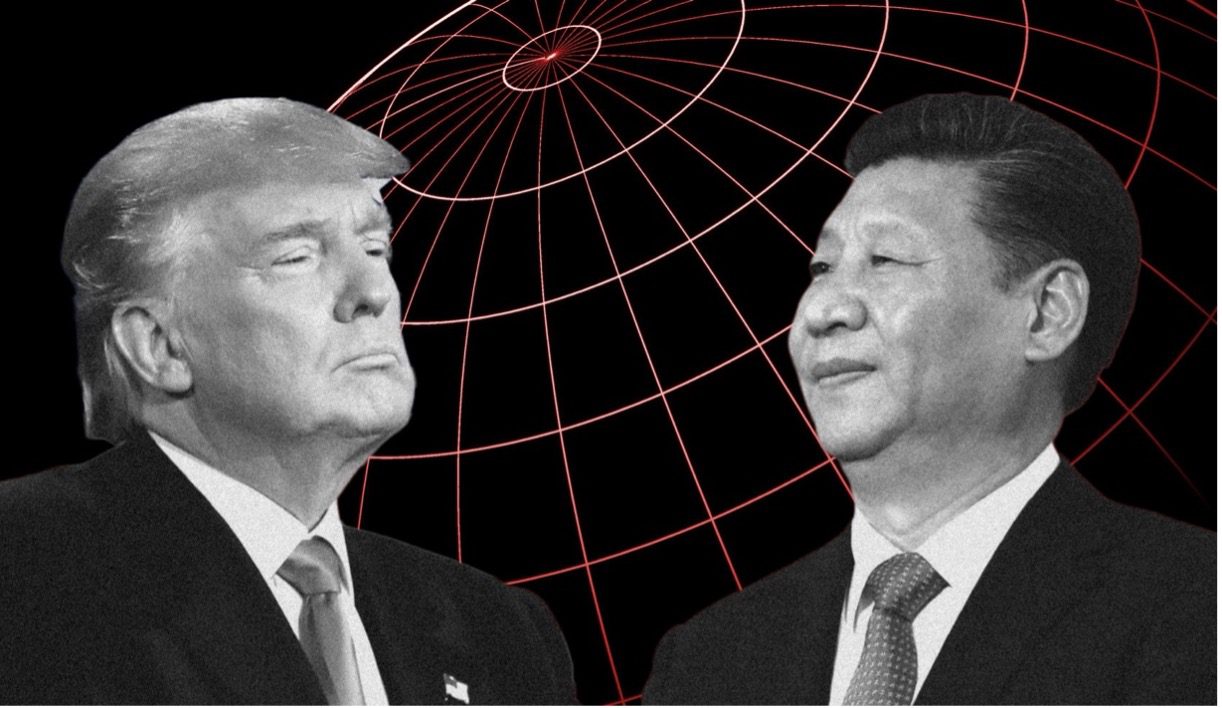
The paired essays featured here reflect these exchanges, presenting U.S. and Chinese perspectives on the upcoming Xi-Trump summit and the broader trajectory of the relationship. Across issues ranging from economic cooperation and global governance to artificial intelligence and strategic stability, contributors assess expectations for near-term engagement and outline practical steps to manage competition, reduce risk, and maintain stability amid growing geopolitical uncertainty.
“History shows that high-level contact grinds to a halt without the impetus of presidential diplomacy. President Trump’s visit, followed by President Xi’s planned trip to the U.S., will encourage continued dialogue across economic, diplomatic, and military channels.” — SU Liuqiang, Shanghai Institutes of International Studies
“The US and China should use the upcoming summit to institutionalize additional channels of communication that can help insulate the relationship from unintended escalation in both the economic and political-security realms, to ensure that competition remains managed.” — Amanda Hsiao, International Crisis Group
“China–U.S. relations are entering a more contested phase, but both countries remain central to the functioning of the global system. Their actions, or their failure to act, will continue to shape global outcomes. In this sense, global governance is not a secondary concern. It is a structural necessity.” — SUN Chenghao, Tsinghua University CISS
“With the visit by President Trump to Beijing on the horizon, the two sides should determine to do much more to establish a “Framework for AI Safety” that reaffirms and goes beyond past explorations…The goal of increasing transparency and learning between the U.S. and China on AI efforts in these areas is not to undermine competition; competition will continue. Given the existential dangers of AI in the U.S.-China context, however, this competition must be constrained by guardrails. Otherwise, we will both go over the cliff.” — Susan Thornton, NCAFP
“In recent years, artificial intelligence has moved to the very center of U.S.–China relations….If the relationship is defined primarily as a race, it will reinforce division and mistrust. If, it is understood as a shared challenge—one that combines competition with interdependence—then there remains space for constructive engagement.” — XIAO Qian, Tsinghua University CISS
“For the upcoming China-U.S. presidential summit, the two countries must center their cooperation on four mutually beneficial priorities to stabilize bilateral relations, inject certainty into the global economy, and lay the groundwork for long-term pragmatic cooperation. While structural divergences cannot be eliminated overnight, targeted progress in these areas can reverse the downward spiral of bilateral relations and deliver tangible benefits to both nations and the wider world.” — YANG Shuiqing, Institute of American Studies, CASS
Read and download the full report below.