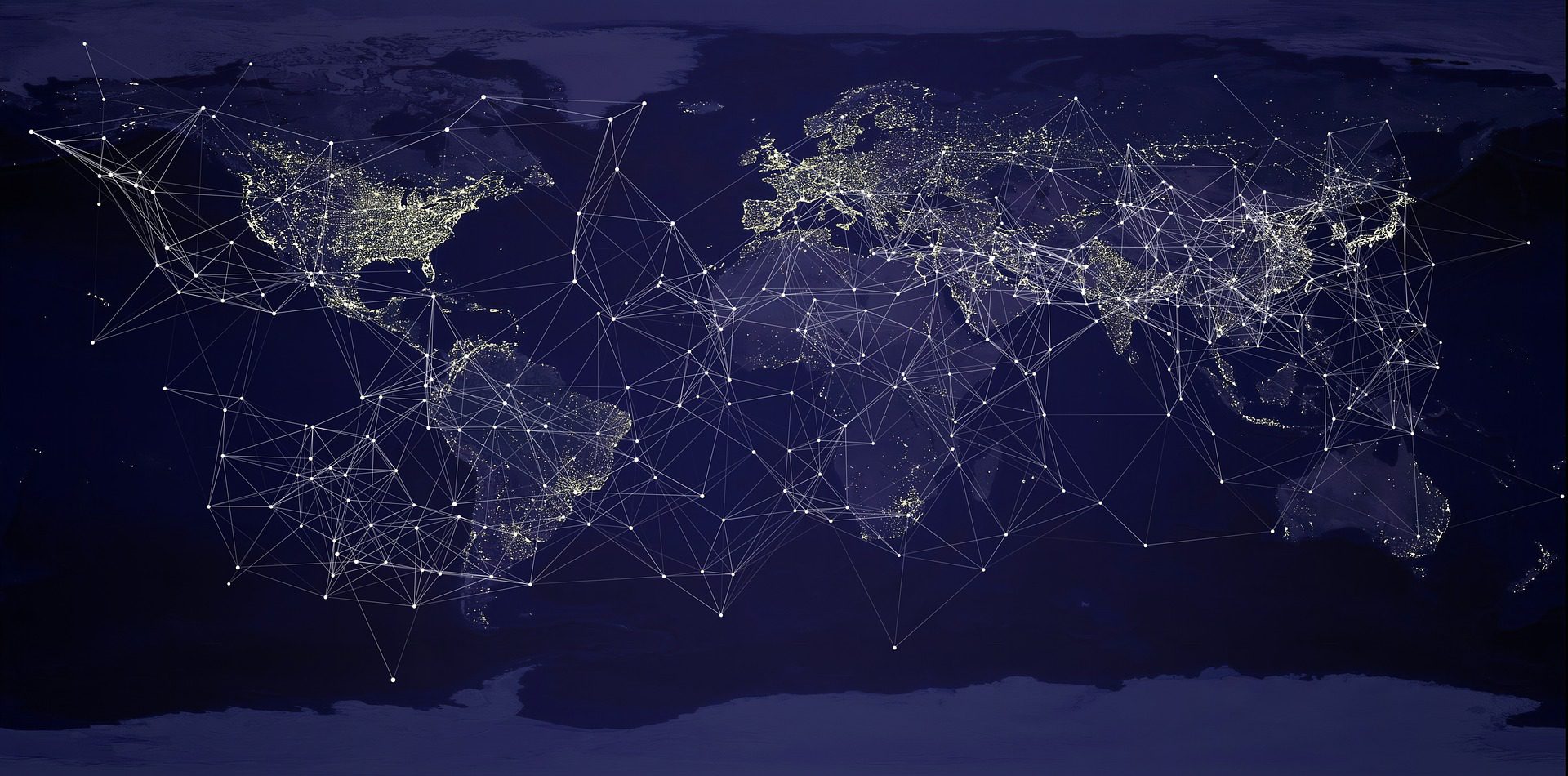
Convening unofficial, informal, and non-governmental Track I.5 and Track II dialogues aims to reimagine American foreign policy that focuses on mobilizing multipolarity to solve complex global challenges.
Track I.5 & Track II Diplomacy
Track I.5 and Track II diplomacy forms the basis of the NCAFP’s approach to resolving conflicts and promoting America’s strategic interest. This type of diplomacy features a series of candid, off-the-record exchanges between officials, former officials and policy specialists aimed at resolving problems that states are unwilling or unable to address in official dialogue. Former Secretary of Defense William Perry has defined Track II work as a dialogue between non-officials designed to fill the gap in the official dialogue.
The NCAFP’s program on Asia-Pacific security conducts a series of Track 1.5 and Track II meetings and conferences on Asia-Pacific security issues to highlight the common interest for stability and progress among the region’s major powers, as well as to provide important channels of communication at a time when trust between major players is extremely low. These events, held under the Chatham House Rule, are attended by prominent former officials, experts, and scholars from the U.S. and the countries of the Asia-Pacific region.
The Asia-Pacific program is dedicated to maintaining peace and stability in the region, with specific focus areas on:

U.S.-China Relations:
Managing mutual mistrust and reopening channels of dialogue aimed to place the relationship back on a stable path, and understanding regional thinking on great power competition between the U.S. and China.

Cross-Taiwan Strait Relations:
Reducing miscommunication and miscalculation across the Taiwan Strait by providing the only authoritative channel of security policy communication among scholars from the U.S., Taiwan, and Mainland China.

Engagement on North Korea:
Addressing the nuclear issue in a multilateral context by working with other members of the Six-Party Talks to discuss differences in the desired approach and end-state of negotiations.

The Future of U.S. Alliances:
Exploring opportunities and challenges for U.S. alliances in the changing balance of power and better understanding domestic political pressures.

Sustaining Regional Peace:
Focusing on tools of diplomacy and visualizing institutional reform for addressing 21st-century challenges in economic, social, and political security through existing multilateral and minilateral institutions.
Many of these Asia-Pacific conferences are long-term, annual engagement efforts for which we have established high levels of trust and credibility over the past three decades. Our cross-Taiwan Strait project has been running since the missile crisis of the mid-1990s, and our DPRK and China work is similarly long-term in nature. Maintaining these mechanisms for regular dialogue provides a platform for socializing new ideas that take hold over time.
The Track II Approach:
In addition to Track II discussions focused on the Asia-Pacific security issues, the NCAFP has also conducted Track II on the Northern Ireland Peace Process. These discussions began in 1994 and continue today more than twenty-five years after the Belfast Good Friday Agreement was signed. Other examples of Track II discussions the NCAFP hosted in the past include a trilateral dialogue among Japan, Russia, and United States, and multilateral discussions focused on Central Asia and the Western Balkans.
- Aims to change the attitudes of the parties in conflict by working to break down negative stereotypes and generalizations of the other side resulting from political barriers.
- Opens and improves the quality of communication channels between parties in conflict.
- Builds not only professional networks but also personal relationships resulting from frank and open exchanges free of the formality of formal dialogues.
- Contributes to confidence and trust-building given the private and off-the-record nature of exchanges.
- Provides new options for negotiation by generating creative ideas that might not be raised within the context of official negotiations.